Introduction
You just got your blood work back and one of the values — RDW — is flagged. Maybe your doctor mentioned it in passing, or you spotted it while reading the report on your own. Either way, you’re wondering: what does this actually mean for my health?
In this guide, you’ll learn what a red blood cell distribution width test measures, how it connects to the broader function of RBC in blood, what a high RBC blood test result signals, and when you should take action.
What Is RBC, and Why Does It Matter?
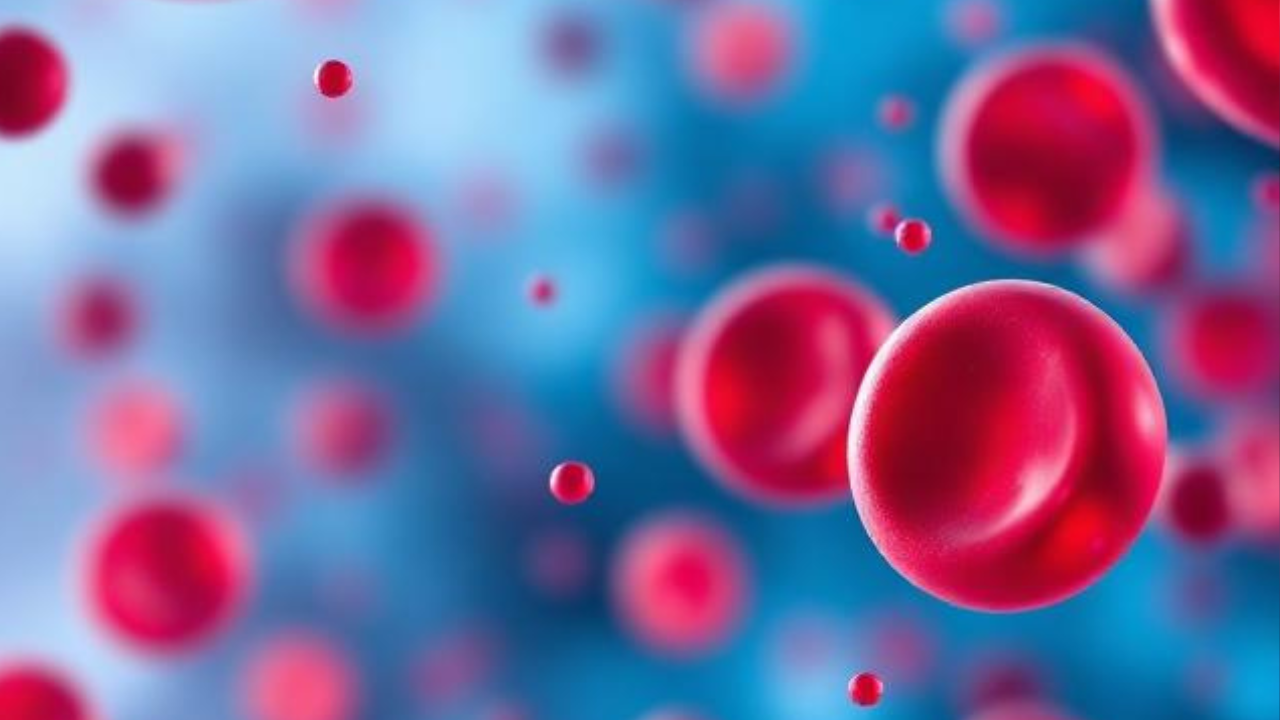
Before diving into RDW, it helps to understand what RBC stands for. RBC simply means red blood cells — the most abundant cells in your bloodstream. Their primary job is to carry oxygen from your lungs to every tissue in your body and bring carbon dioxide back to be exhaled.
The function of RBC in blood goes beyond just oxygen transport. These cells also help maintain the right pH balance in the blood and contribute to overall circulation health. When something disrupts red blood cell production or lifespan, your body gives off signals — and blood tests are one of the first places those signals appear.
What Is RDW (Red Blood Cell Distribution Width)?
RDW stands for Red Blood Cell Distribution Width. It measures the variation in size among your red blood cells. Normally, red blood cells are fairly uniform in size. When there’s a wide range — some very small, some very large — your RDW value climbs.
Think of it like a class of students. If everyone is roughly the same height, the “height distribution” is narrow. But if some students are very short and others very tall, the distribution is wide. RDW works the same way, just for your blood cells.
A normal RDW range typically falls between 11.5% and 14.5%, though reference ranges can vary slightly depending on the lab.
High RDW: What Does It Mean?
When RDW Is Elevated
An elevated RBC distribution width doesn’t diagnose a specific disease on its own — but it’s a meaningful clue. Doctors use it alongside other markers (like hemoglobin, MCV, and iron levels) to piece together a fuller picture.
Common reasons for a high RDW result include:
- Nutritional deficiencies — Iron, folate, or vitamin B12 deficiencies are among the most frequent causes. When your body lacks these nutrients, it produces red blood cells of inconsistent sizes.
- Anemia — Several types of anemia, including iron-deficiency and hemolytic anemia, can push RDW higher.
- Chronic disease — Conditions like liver disease, kidney disease, or inflammatory disorders can affect how red blood cells are made.
- Recent blood transfusion — A mix of donor and recipient cells can temporarily raise RDW.
- Recovery from blood loss — As your bone marrow ramps up production after blood loss, it may release cells of varying sizes.
RBC Blood Test High: Should You Worry?
A high RBC blood test result can mean different things in context. Elevated RBC count (not RDW) sometimes reflects dehydration, living at high altitude, or smoking. On its own, it’s rarely an emergency — but it’s worth discussing with your doctor to rule out conditions like polycythemia vera.
Understanding Your Full RBC Blood Test
An RBC test is part of a standard Complete Blood Count (CBC). The CBC measures several related values together:
- RBC count — Total number of red blood cells
- Hemoglobin — Protein that carries oxygen inside each cell
- Hematocrit — Percentage of blood volume made up of red blood cells
- MCV (Mean Corpuscular Volume) — Average size of red blood cells
- RDW — Variation in red blood cell size
Doctors rarely interpret RDW in isolation. When RDW is high and MCV is low, that strongly points toward iron deficiency. When both RDW and MCV are high, vitamin B12 or folate deficiency becomes more likely.
Common Questions About RBC and RDW
Don’t Ignore What Your Blood Is Telling You
Your red blood cells do quiet but essential work every moment of every day. When a test like RDW flags something unusual, it’s your body’s way of asking for attention — not necessarily sounding an alarm, but prompting a closer look.
If your RBC blood test is high, your RDW is elevated, or you simply want to better understand what your results mean, the best next step is a conversation with your healthcare provider. They can interpret these numbers in the context of your full health history.
Ready to take charge of your health? Schedule a blood panel review with your doctor and ask specifically about your RBC and RDW values — it’s one of the simplest ways to catch potential issues early.
This article is for informational purposes only and does not constitute medical advice. Always consult a qualified healthcare professional for diagnosis and treatment.